

In the competitive world of higher education, colleges and universities are always looking for ways to enhance their reputations, attract the best students, and climb the ranks in national and global rankings. One strategy that has gained considerable traction over the years is the use of Early Decision (ED) admissions. While ED can offer benefits to both students and institutions, it’s increasingly being scrutinized for its role in manipulating perceptions of selectivity and prestige.
Inflating Selectivity Through Early Decision
Early Decision is a binding admissions program where students commit to attending a college if accepted, often before knowing the full financial aid package. This commitment inherently limits the number of applications a student can submit early, which in turn affects the applicant pool size for those colleges.
The primary way ED inflates selectivity is by ensuring a higher yield rate, which is the percentage of accepted students who choose to enroll. Colleges know that ED applicants are committed to attending if accepted, allowing them to predict enrollment numbers more accurately. This predictability is not just beneficial for logistical planning but also for public perception. A high yield rate can make a college appear more desirable and selective, as it suggests that a larger proportion of students who are accepted actually choose to attend.
Colleges like Tulane University, University of Miami, Villanova University, and Northeastern University have been known to fill a significant majority of their incoming classes with ED applicants, thereby manipulating their acceptance rates to appear more selective. These institutions leverage the binding nature of ED to not only ensure a committed class but also to enhance their image as highly sought-after institutions.
The Misleading Nature of Acceptance Rates
While a low acceptance rate might suggest prestige, it doesn’t inherently reflect the quality of education or the experience at a college. Acceptance rates can be manipulated through mechanisms like ED, where colleges are essentially assured of a student’s attendance. This can lead to a scenario where colleges look more selective on paper than they might be in reality, especially when considering the broader context of applicant quality and diversity.
Rankings as a True Measure of Prestige
Instead of focusing solely on acceptance rates, rankings provide a more holistic view of a college’s prestige. Rankings take into account various factors including academic reputation, faculty quality, research output, graduation rates, and student satisfaction, among others.
- Academic Reputation: Surveys of academics around the world offer insights into how much the academic community values an institution’s contributions to scholarship and education.
- Faculty and Research: Prestigious universities often boast faculty who are leaders in their fields, contributing to groundbreaking research. Institutions like Harvard and Stanford are not just selective but also celebrated for their research output and faculty accolades.
- Student Outcomes: Graduation rates, employment statistics post-graduation, and alumni success are pivotal. These metrics help gauge how well a college prepares students for their future careers, which is a true indicator of prestige.
- Diversity and Inclusion: Rankings increasingly look at diversity in student body, faculty, and in academic programs, offering a view of how inclusive and broad-reaching an institution’s impact can be.
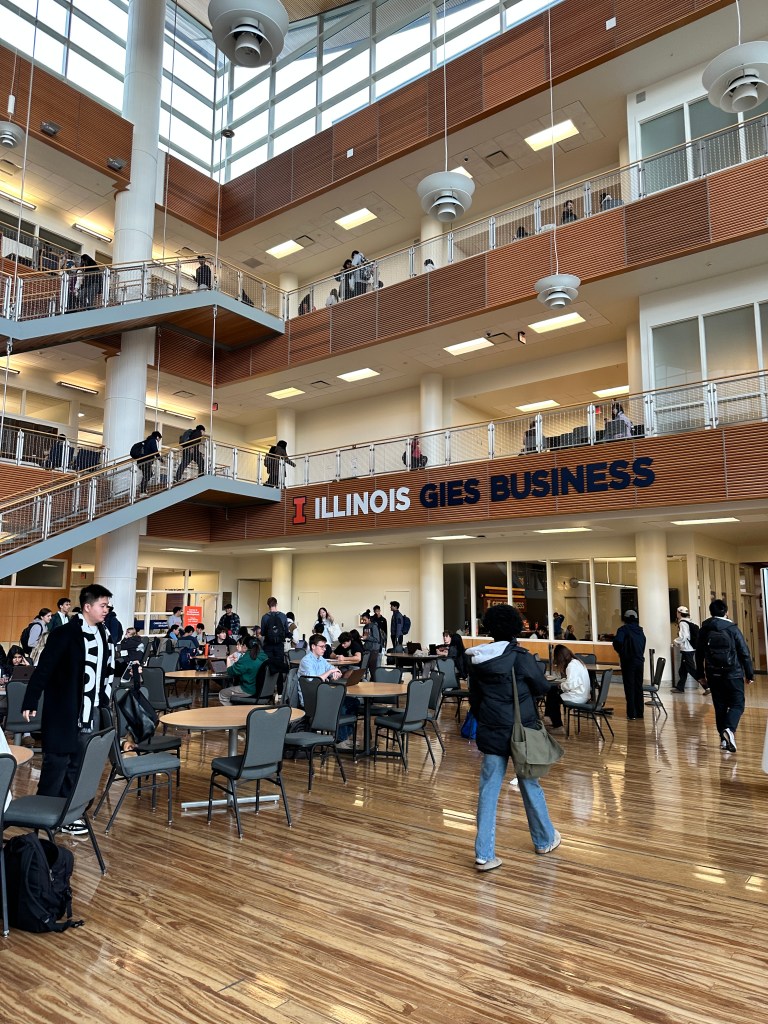
It’s noteworthy that some highly ranked business schools do not offer Early Decision. For instance, Indiana University’s Kelley School of Business, University of Illinois’ Gies School of Business, and University of Michigan’s Ross School of Business do not utilize ED for undergraduate admissions. These public institutions have achieved their high rankings through other merits like academic excellence, strong industry connections, and robust alumni networks.







Notre Dame’s Approach to Selectivity
Not all prestigious institutions rely on ED to boost their selectivity. Notre Dame, for instance, does not offer an Early Decision program but still maintains a high yield rate. This results in a naturally selective and prestigious student body without the need for what some might view as manipulative admissions strategies. Notre Dame’s approach shows that genuine prestige can be achieved through strong academic programs, an established reputation, and a clear appeal to students’ values and aspirations.
Conclusion
The use of Early Decision in college admissions is a nuanced issue. While it benefits some students by providing an admissions edge, it also serves colleges by making them appear more selective and prestigious. However, for those seeking a true gauge of a college’s prestige, rankings offer a more comprehensive analysis based on a variety of substantive criteria. As the landscape of higher education continues to evolve, understanding these dynamics becomes crucial for prospective students aiming to make informed choices about their educational futures.
Discover more from South Shore College Consulting & Tutoring
Subscribe to get the latest posts sent to your email.
