

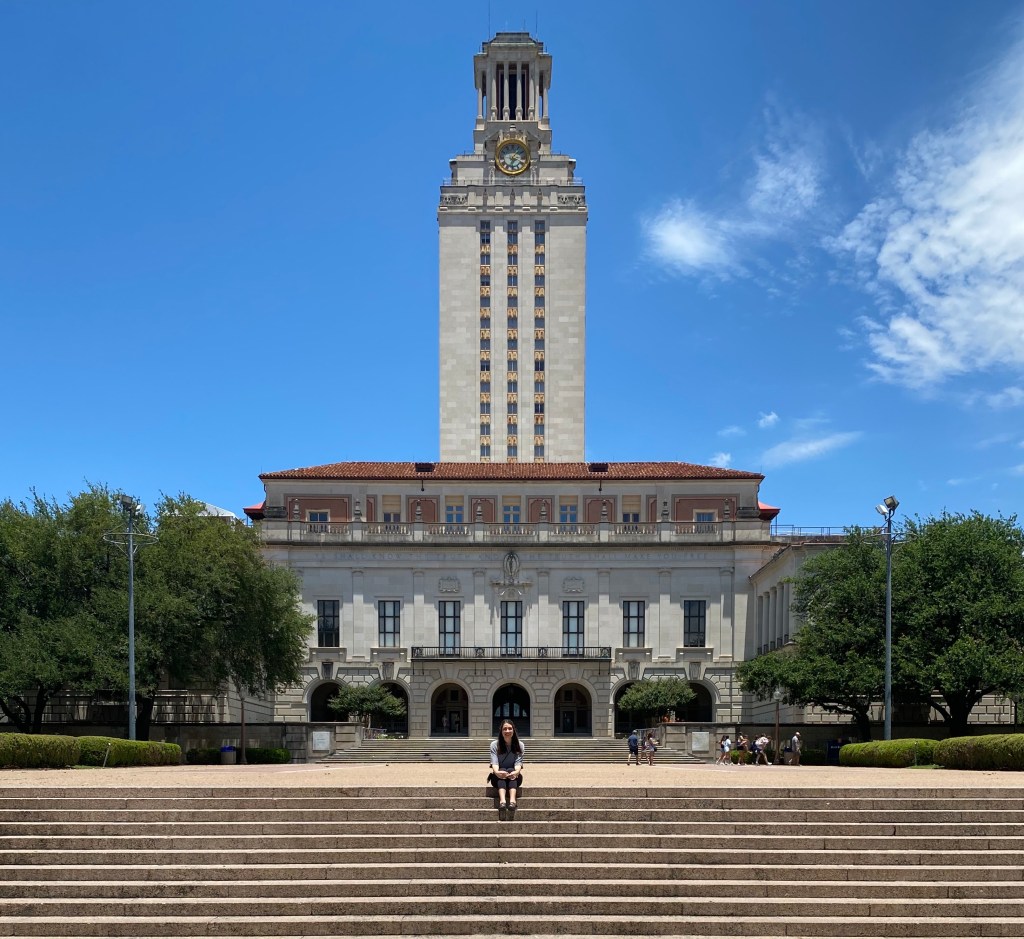
For high school students in Massachusetts dreaming of attending prestigious public universities like the University of North Carolina at Chapel Hill (UNC Chapel Hill) and the University of Texas at Austin (UT Austin), the road to admission is fraught with challenges. These institutions, known for their academic rigor and comprehensive programs, predominantly cater to in-state students due to state policies and funding models. Here’s a deep dive into why these universities pose such a formidable admissions gauntlet for Massachusetts applicants.
The In-State Advantage
UNC Chapel Hill:
- Admission Statistics: UNC Chapel Hill has a notably low acceptance rate for out-of-state students. For the class entering in Fall 2022, the overall acceptance rate was around 16.8%, with in-state students enjoying a significantly higher acceptance rate of 43.1% compared to only 8.2% for out-of-state applicants.
- State Mandates: A 1986 UNC System policy limits out-of-state enrollment to no more than 18% of first-year students. This cap inherently favors North Carolina residents, creating a highly competitive environment for out-of-staters.
- Geographic Distribution: While UNC does recruit nationally, the bulk of its student body comes from within North Carolina, with a minor fraction from states like Massachusetts, where the competition for those few spots is intense.
UT Austin:
- Admission Rates: For the Class of 2025, UT Austin had an acceptance rate of about 31% overall, but this figure masks a wide disparity. In-state students from Texas had an acceptance rate around 49%, while out-of-state students faced a much lower rate, approximately 11%.
- State Law Influence: Texas law mandates that at least 75% of UT Austin’s freshman class must be Texas residents, significantly limiting the number of spots available for students from Massachusetts. UT Austin is typically comprised of 92% in-state students, exceeding the mandated number by nearly 20%.
- Admission Criteria: UT Austin uses an automatic admission policy for Texas students in the top 6% of their high school class, which does not apply to out-of-state applicants, putting Massachusetts students at a further disadvantage.
Challenges for Massachusetts Students
- Competition: Students from Massachusetts face stiff competition not only from within-state applicants but also from the pool of highly qualified out-of-state candidates. Both universities attract top students from across the U.S., and Massachusetts, with its own competitive educational landscape, adds to this pool.
- Academic and Extracurricular Profile: To stand out, Massachusetts students must exhibit exceptional academic records, often with high standardized test scores (when required), robust extracurricular involvement, and compelling essays that highlight their unique contributions to campus diversity.
- Limited Spots: The small percentage of spots available for non-residents means that even outstanding applicants from Massachusetts might be turned away in favor of local students whose education is partly subsidized by state taxes.
- Recruitment Focus: Both universities might not heavily recruit in Massachusetts due to their primary focus on in-state students. This can mean less visibility and fewer tailored recruitment events for students from this region.
Strategies for Success
- Early Application: Utilizing Early Action when available can increase chances, as these programs can have slightly higher acceptance rates for competitive applicants.
- Demonstrated Interest: Showing genuine interest in the school through campus visits, attending virtual sessions, or connecting with admissions representatives can help.
- Unique Narrative: Crafting an application that tells a unique story, possibly linking personal experiences or interests with what the university offers, can make an applicant more memorable.
- Holistic Preparation: Besides academics, developing a strong profile in other areas like leadership, community service, or special talents can differentiate a candidate.
Conclusion
While getting into UNC Chapel Hill or UT Austin as an out-of-state student from Massachusetts is undeniably challenging, it’s not impossible. It requires a strategic approach, exceptional preparation, and sometimes, a bit of luck. The disparity in acceptance rates underscores a broader narrative in American higher education where state flagship universities prioritize local talent. However, for those willing to navigate this complex admissions landscape, the reward could be a world-class education at one of these esteemed institutions.
Discover more from South Shore College Consulting & Tutoring
Subscribe to get the latest posts sent to your email.
