
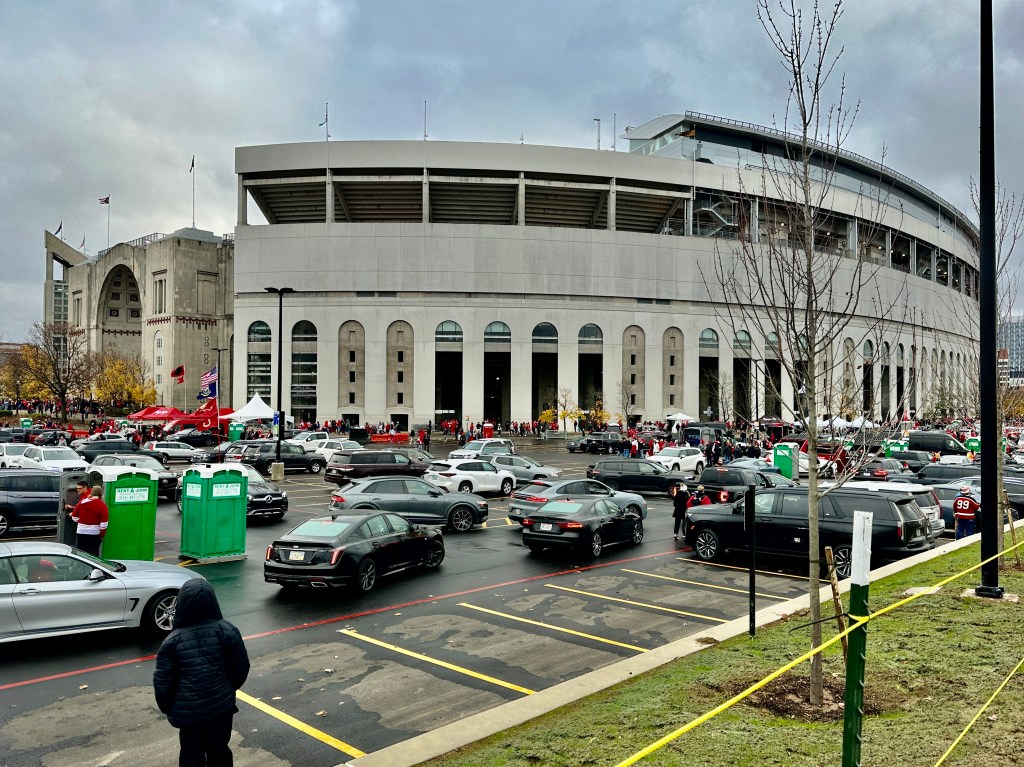
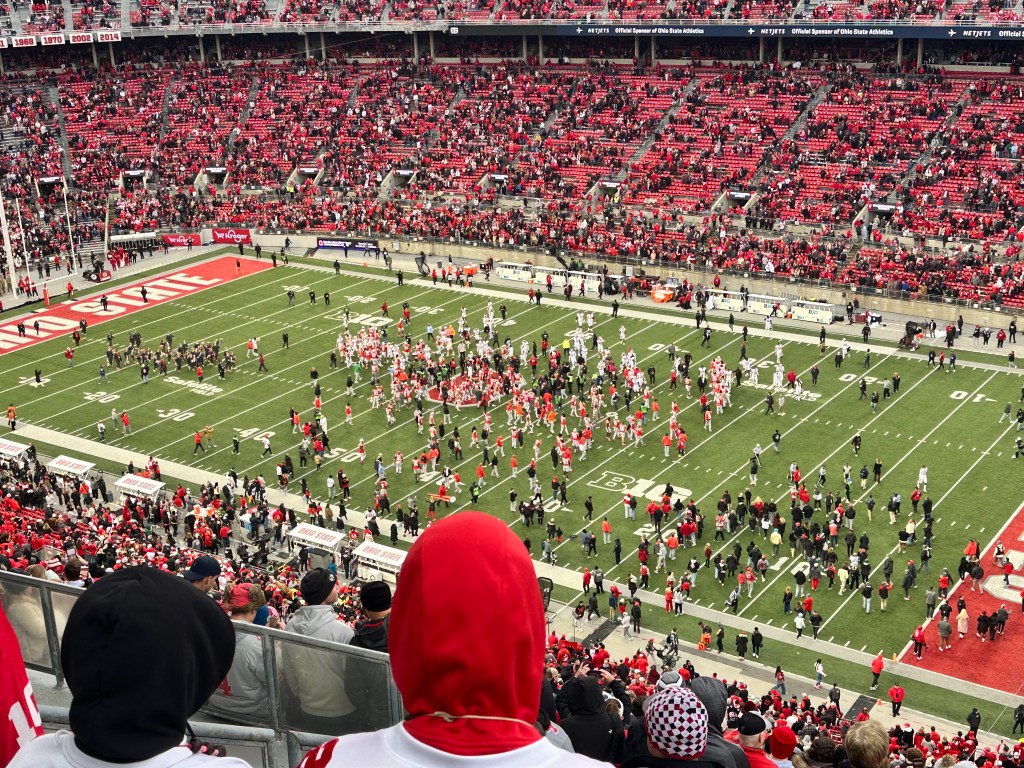
The 2024-2025 college football season was a testament to the power of faith, particularly for the Notre Dame Fighting Irish and the Ohio State Buckeyes. Both teams not only showcased exceptional athletic prowess but also a profound commitment to their Christian faith, which many players and observers believe played a pivotal role in their journey to the National Championship game.
Throughout the season, both teams were vocal about their faith, integrating it into their team culture, pre-game rituals, and post-game reflections. This was not just a sideline activity but seemed to be woven into the very fabric of their gameplay and team dynamics.
Notre Dame quarterback Riley Leonard, in several interviews, emphasized the spiritual connection between the two teams. He stated, “We’re the two main teams to publicly display our faith the most. … I truly believe that Jesus was looking over both our shoulders throughout the season & put these two teams on a pedestal for a reason.” This sentiment was not just a personal belief but resonated with the team’s approach to the game. Leonard further elaborated after the championship game, reflecting on the season’s outcome: “Us and Ohio State were the two teams who praised Jesus Christ the most and I think we strengthened each other in our faith.” This shared faith was seen as a mutual encouragement, fostering a unique bond between rivals, which is rare in the competitive landscape of college football.
On the Ohio State side, quarterback Will Howard also gave credit to his faith for the team’s success. After leading the Buckeyes to victory in the national title, he remarked, “First and foremost, I gotta give the glory and the praise to my Lord & Savior, Jesus Christ. I wouldn’t be here without him.” His words highlighted a belief that their achievements were not solely the result of physical or strategic preparation but were divinely influenced.
The impact of Christianity on these teams was multi-faceted:
- Team Unity and Moral Compass: Faith provided a common ground for team unity beyond the football field. It served as a moral compass, guiding players in their conduct, teamwork, and personal development. This unity was particularly evident in how both teams managed adversity, including injuries and close games, with a collective spirit that seemed bolstered by their shared beliefs.
- Mental Resilience: The season is long and grueling, with physical and mental tolls. For many players, faith was a source of mental resilience. The belief in a higher purpose or divine support could be seen as a psychological boost, helping players to recover from setbacks or perform under pressure with a peace of mind that transcends the immediate game scenario.
- Community and Support: Both teams enjoyed robust support from fans and communities, many of whom share similar religious values. This support was not just for the game but included prayers and spiritual encouragement, creating an environment where faith was celebrated openly. This communal aspect might have enhanced the feeling of being part of something larger than themselves, adding to the motivation and sense of destiny.
- Public Witness: By openly discussing their faith, players from both teams became public witnesses to their beliefs. This visibility might have not only inspired others but also reinforced their own commitment to their spiritual journey, intertwining it with their athletic one.
Although faith cannot be quantified in terms of wins or losses, the narrative from the 2024 season suggests that for Notre Dame and Ohio State, Christianity was more than just a personal belief; it was a communal force that shaped their season’s narrative. Their success story, highlighted by these profound statements of faith, illustrated how belief systems can influence team dynamics, resilience, and ultimately, performance on one of sports’ grandest stages. While the championship game itself was a competition, the shared faith between these teams seemed to transcend rivalry, offering a broader lesson on the impact of spiritual conviction in sports.
Discover more from South Shore College Consulting & Tutoring
Subscribe to get the latest posts sent to your email.
