
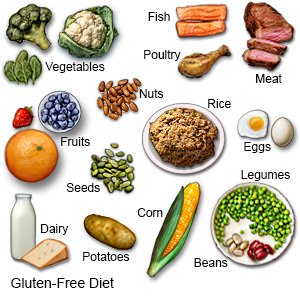
For students with celiac disease or gluten sensitivities, choosing a college isn’t just about academics, campus life, or location—it’s also about finding a place where they can eat safely and confidently. College dining halls have historically been tricky for those requiring a gluten-free diet, but many institutions across the United States are stepping up to meet the challenge. From dedicated gluten-free dining zones to extensive menu labeling and staff training, these schools are setting the standard for accommodating students with dietary restrictions. Here’s a look at the 10 most gluten-free friendly colleges in the country as of early 2025, based on their innovative approaches, student feedback, and commitment to safe dining.
1. Cornell University (Ithaca, NY)
Cornell stands out with its dedicated gluten-free and nut-free dining hall, a rarity that offers peace of mind for students with celiac disease. Beyond this specialized space, all dining halls across campus clearly label allergens, ensuring transparency and safety. Students praise the variety of options and the staff’s attentiveness, making Cornell a top choice for those seeking a robust gluten-free experience in a picturesque, non-urban setting.
2. Michigan State University (East Lansing, MI)
Michigan State’s “Thrive” dining area is a game-changer, offering meals free from the top nine allergens, including gluten. Opened in 2019, Thrive serves up comfort foods like chicken tenders and fries, prepared in a dedicated kitchen to eliminate cross-contamination risks. The university’s dining staff undergo rigorous training, and students appreciate the ability to enjoy a “traditional dining hall experience” without worry.
3. Vanderbilt University (Nashville, TN)
Vanderbilt’s “2301” dining venue is certified free of the top nine allergens and gluten, transforming a former pizza outlet into a haven for students with dietary needs. The university also offers a mobile ordering system for customized allergy-friendly meals, blending convenience with safety. With a 36% sales increase since its debut in 2018, it’s clear that Vanderbilt’s efforts resonate with students seeking variety and inclusivity.
4. Penn State University (University Park, PA)
Penn State’s main campus boasts a gluten-free section within its dining halls that’s also free of the top nine allergens and adheres to kosher standards. Students can pre-order gluten-free meals, overseen by kitchen managers, and work directly with campus dietitians. The detailed labeling and serious approach to food safety have earned high marks from students navigating gluten-free life at a large university.
5. California Polytechnic State University (San Luis Obispo, CA)
Cal Poly’s “Balance Café” is a standout, certified free of the top nine allergens and gluten, with a rotating menu featuring global dishes and wholesome comfort foods like pancakes and curry chicken. Housed in a dedicated kitchen with separate equipment, it caters to students with or without dietary restrictions. Since opening in 2020, it’s become a model for safe, diverse dining on the West Coast.
6. University of Michigan (Ann Arbor, MI)
The University of Michigan has long been a pioneer in allergen awareness, offering extensive labeling across its dining halls so students know exactly what’s in their food. A personalized meal program allows students to specify their dietary needs in advance, while off-campus options in Ann Arbor further enhance gluten-free living. Students rave about the knowledgeable chefs and the seamless integration of safe dining options.
7. Kent State University (Kent, OH)
Kent State makes gluten-free dining accessible with its “Prentice Café,” which caters specifically to gluten-free, vegetarian, and vegan diets. The university’s call-ahead meal programs, like Veggie-A-Go-Go, extend to gluten-free options, and to-go meals are widely available. With a focus on nutrition and convenience, Kent State ensures students with dietary restrictions never feel limited.
8. Baylor University (Waco, TX)
Baylor’s “Allergen-Free Zone” provides a wide range of gluten-free menu options, updated weekly online for easy planning. Recognized for years as a leader in gluten-free accommodations, Baylor combines Southern hospitality with practical solutions, ensuring students with celiac disease or gluten sensitivities can dine confidently. The university’s commitment shines through in its consistent student satisfaction.
9. Boston University (Boston, MA)
Boston University takes a structured approach, requiring students with celiac disease or gluten sensitivities to attend a class with a dietitian to access gluten-free options. Once enrolled, they enjoy a variety of pre-packaged products, from pancake mix to frozen dinners, plus a dedicated gluten-free station at Marciano Commons. This system ensures safety while fostering independence in an urban campus setting.
10. University of Massachusetts Amherst (Amherst, MA)
UMass Amherst excels with its app-based menu system, listing ingredients and allergens for every dish across its dining halls. Designated gluten-free and vegetarian zones provide safe havens, and managers are quick to assist or prepare custom meals. Students highlight the staff’s willingness to adapt, making this large public university a surprisingly accommodating choice for gluten-free eaters.
Why These Colleges Stand Out
These 10 colleges distinguish themselves through proactive measures like dedicated kitchens, comprehensive staff training, and transparent communication about menu options. Many have embraced certifications from programs like MenuTrinfo’s Kitchens with Confidence or Beyond Celiac’s GREAT training, ensuring protocols that minimize cross-contamination. Student testimonials consistently highlight not just safety, but also variety and taste—key factors in making the college transition less daunting for those on a gluten-free diet.
For prospective students, these schools offer more than just meals; they provide a sense of normalcy and inclusion. Whether it’s Cornell’s standalone dining hall or UMass Amherst’s tech-savvy approach, each institution proves that gluten-free living doesn’t have to mean sacrifice. As awareness of celiac disease and gluten sensitivities grows, these colleges are leading the way, setting a benchmark for others to follow in 2025 and beyond.
Discover more from South Shore College Consulting & Tutoring
Subscribe to get the latest posts sent to your email.
